Essays & experiments.
Notes on faith, purpose, design and the systems underneath — published on Substack, read here.
Diary of a Wandering Aramean Episode 2 - Meet Abraham
Developing the Hunger to Follow God
READ ESSAY ↗
Meet Jacob - Diary of a Wandering Aramean
Hello,Thanks for reading The Becoming!
Diary of a Wandering Aramean - Introduction
What If The Fathers of Faith Kept a Journal?
The Immutability of God and Our Experiences
Why our experiences do not completely reflect God

On Liberty and Lawlessness
Are there boundaries associated with out freedom in Christ?

Who Told You?
The burden of knowledge and the weight of awareness

Maktub
The intersection of the foreknowledge of God and our choices
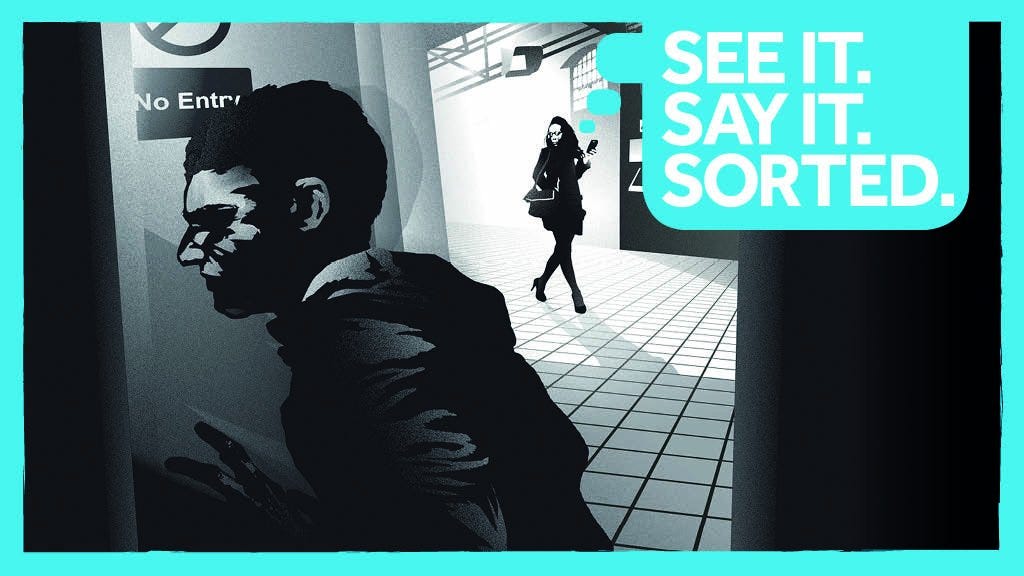
See it, Say it, Sorted
Seeing Grace from the lens of the popular British catchphrase

Trials and God’s purpose
One of my favourite bible verse (like almost everyone else, I believe) is Jeremiah 29:11 and it reads "For I know the thoughts and plans that I have for you, says the Lord, thoughts and plans for welfare and peace and not for evil, to give you hope in your final outcome." (Amplified Version, Classic Edition)

The High Priest and the Priests
At the end of every trial and challenge, there is a person God wants us to become...and it is like Jesus.

Same Experience, Different Lessons II
Alongside the conclusion I drew from the story I shared in my last reflection, my other thought is captured in Psalm 103:14: For He knows our frame; He remembers that we are dust.

Same Experience, Different Lessons
Earlier this month, a lady shared an amazing testimony that caused almost the whole church to hold their breath while waiting for the plot twist in the story.

The End of Every Conviction
Why do Men believe for something and not receive anything?
God’s intention and Our Life Experiences
Last year, I shared my thoughts on the subject of trusting God, and I concluded that in-depth knowledge and understanding of God are crucial in putting one’s trust in God.

Truth and Its Many Shades
I’ve always been curious about the ‘relativity of truth and the expectation of its universality’.
In the absence of clocks and calendars
Recognising the Subtle Flow of Time and Overcoming Procrastination

Darkness and Delight: How to Trust God More and More
For a few days now, I have been considering a thought on the subject of trust in God.

Designing Your Life: A Journey of Self-Discovery
A few months ago, I read an inspiring book, “Designing Your Life” written by Stanford university’s esteemed product designers, Bill Burnett and Dave Evans.
Detours and Delights
In my early attempts to learn how to drive, one of the things I dreaded so much is turning the vehicle (simply because I don’t know how much the vehicle needs to go forward before I can make the turn so I don’t scratch the vehicle or end up in curbs).