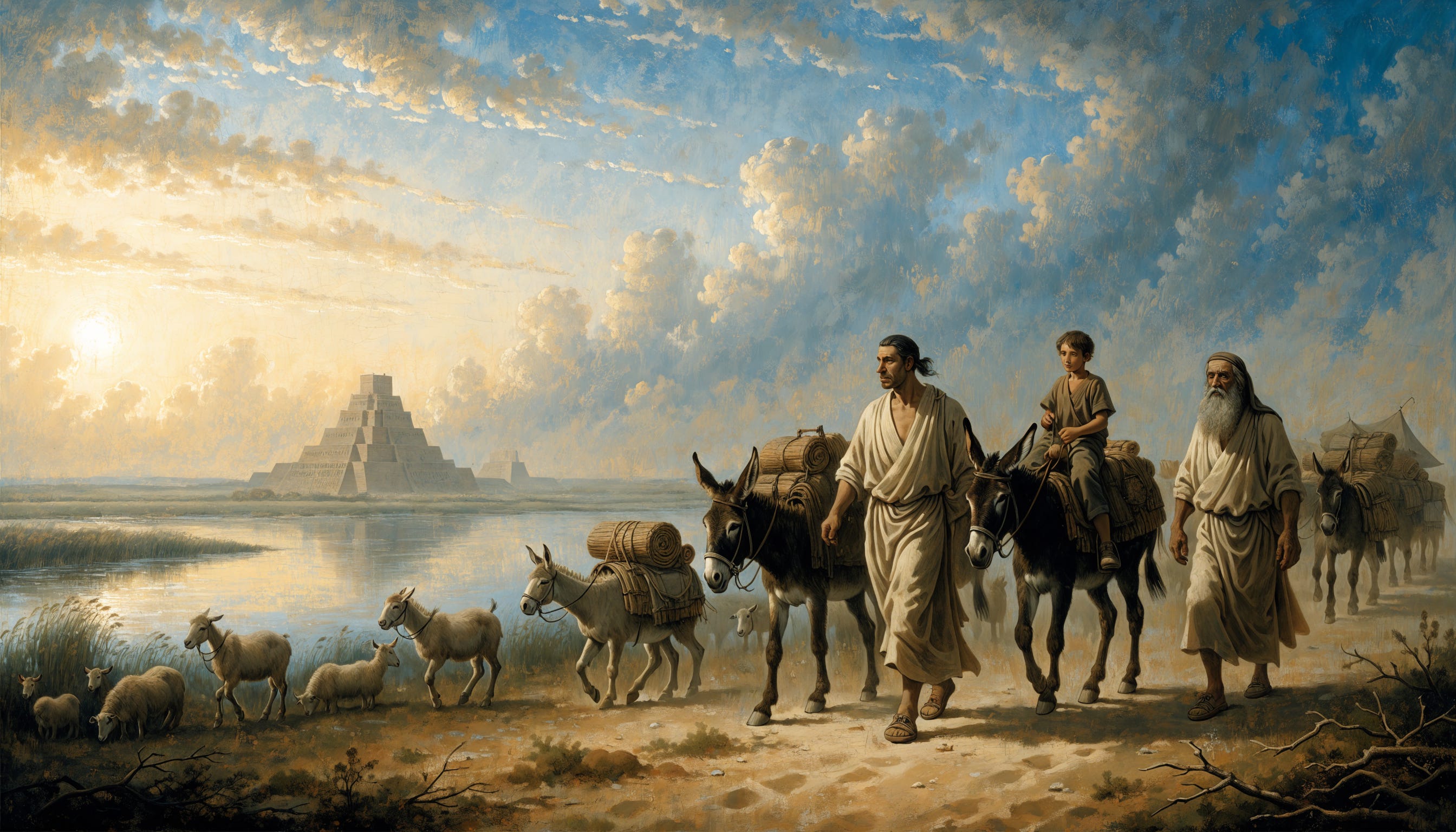
After the day’s work, we had a habit of gathering outside the house under the flowing moonlight, on the days it decided to grace us, and on other days, under the light of our torch hanging from a tree. My father, Terah, and I would talk about the day, our experience herding the sheep, and our dreams of expanding and building a dynasty. But over the years, our conversations became filled with deep expressions of our dissatisfaction with the culture of the people of Ur.
This dissatisfaction grew deeper when Haran, my younger brother, died. He enjoyed the ways of Ur, and I had always warned him to be careful, but he reached the end of his rope the day a riot broke out at the festival of light — the celebration of Sin, the moon god — where he was killed. My other brother, Nahor, was soon becoming acquainted with the ways of Ur. He was well-known and had friends everywhere, though he started holding back a little after the death of Haran.
One evening, my father called Nahor and me and said he would like a new start. He was afraid that our relationship with the people of Ur would only go deeper with time, and he was not ready to lose another child to find out how deep it could get. He mentioned that he also did not want to raise his grandchildren in a town where the voice of the gods and rituals drowns out the echoes of Yahweh.
Of course, I did not have a child of my own then, though I had taken Sarah as my wife. I loved children a lot, and I still do. I enjoyed days of playing with my nephew, Lot, so much so that he almost did not feel the death of his father, Haran.
I loved the idea of a fresh start, but Nahor could not comprehend the idea of leaving everything behind.
“What happens to the dream of expanding and building a dynasty?” he said.
My father replied, “It is better I remain small than to build a hollow dynasty.”
Regardless, Nahor chose to stay behind in Ur.
Over the following weeks, I perfected the plan with my father, and we embarked on a journey to Canaan. We had only heard of it, but neither of us had been there. We only had the Euphrates River as our guide. Your destination is usually to the north, south, east or west of the river anyway.
Canaan, we learnt, lies to the west, but to avoid long months of pilgrimage through the desert, we planned our journey towards the north. While our path still went through some part of the desert, the river would lead us until we arrived at a town called Haran. When the dwellers told us the name, my father wept profusely at the remembrance of his son. He loved him, like he loved Nahor and me, but no parent wants to watch their child die before them.
So, we decided to stay.
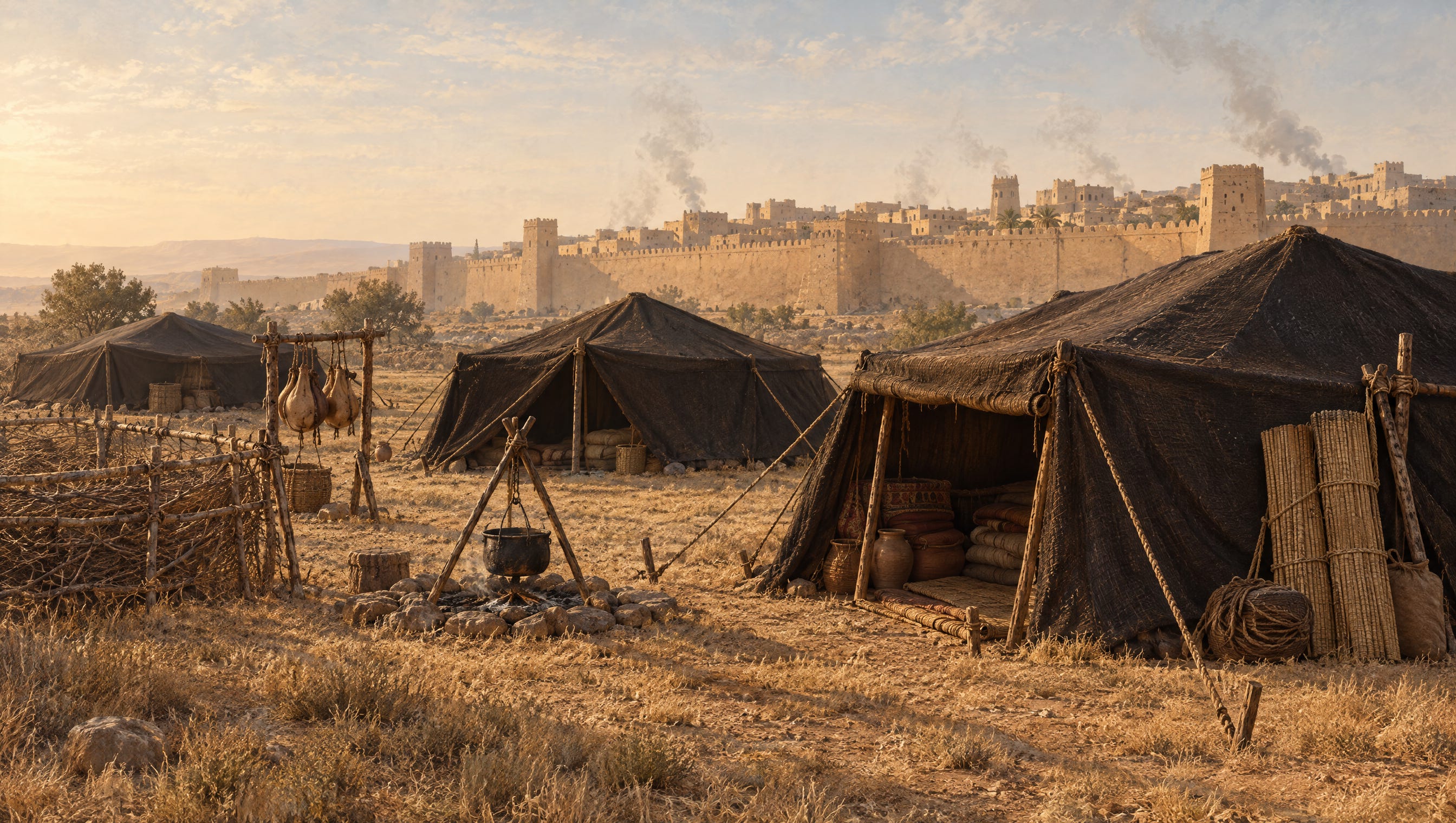
My father said all he wanted was a fresh start away from Ur, and he wasn’t particular about Canaan.
Is this the fresh start he really wanted, or has he become sentimentally attached to Haran?
I knew months of pilgrimage towards Canaan were already becoming wearisome for us, and I could not disagree with my father because I also believed we could establish ourselves in the land, build a city that announces the righteousness of Noah and his God. Our integration into the town was not hard at all; it has always been the case for shepherds. You have something desirable that you can offer. But our story in Haran is far from over.
My name is Abraham, and this is my diary.
Footnotes:
Watch the Animated version on YouTube:
Bible References: Genesis 11: 27-31, Joshua 24:2, Acts 7:2
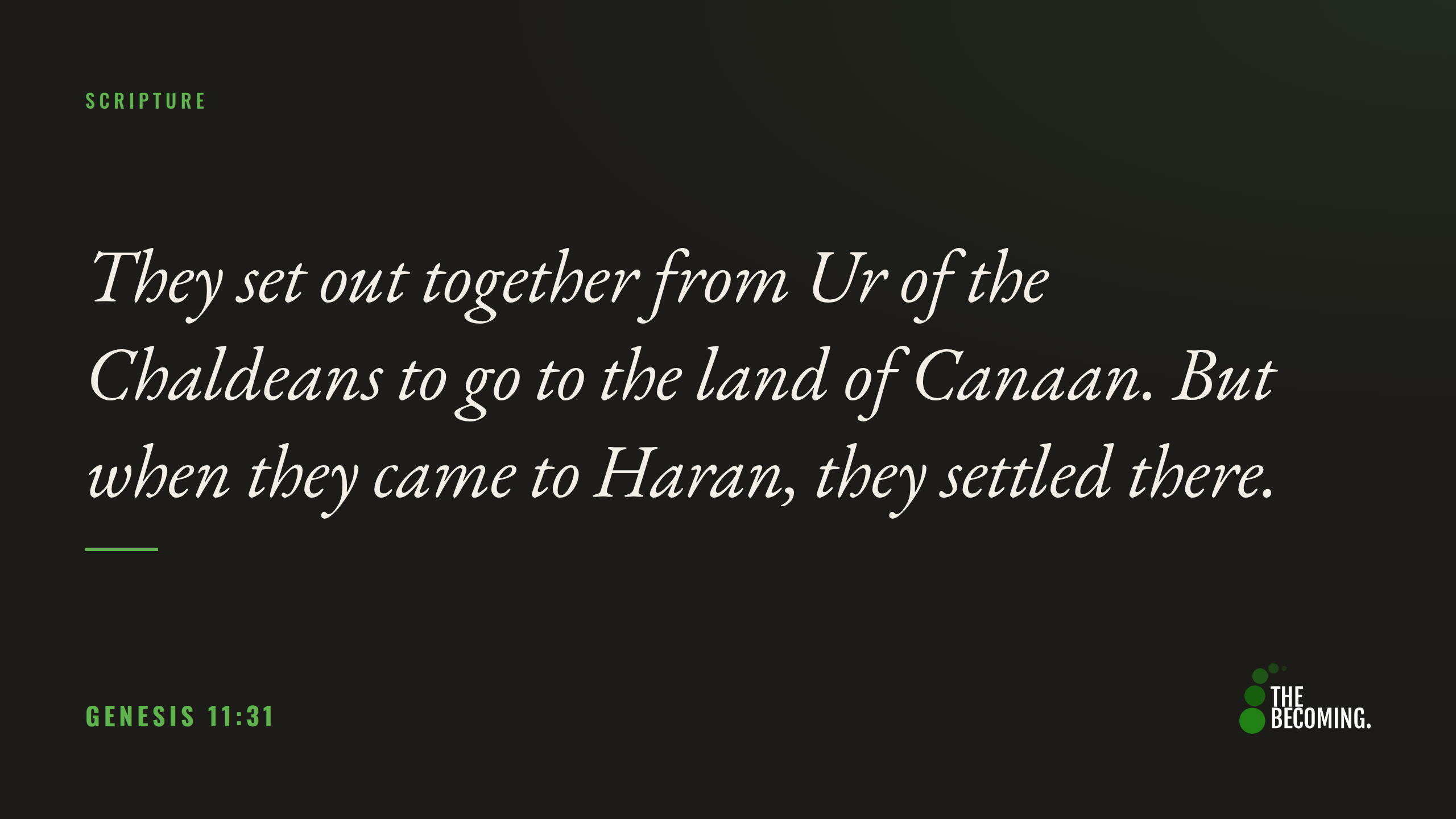
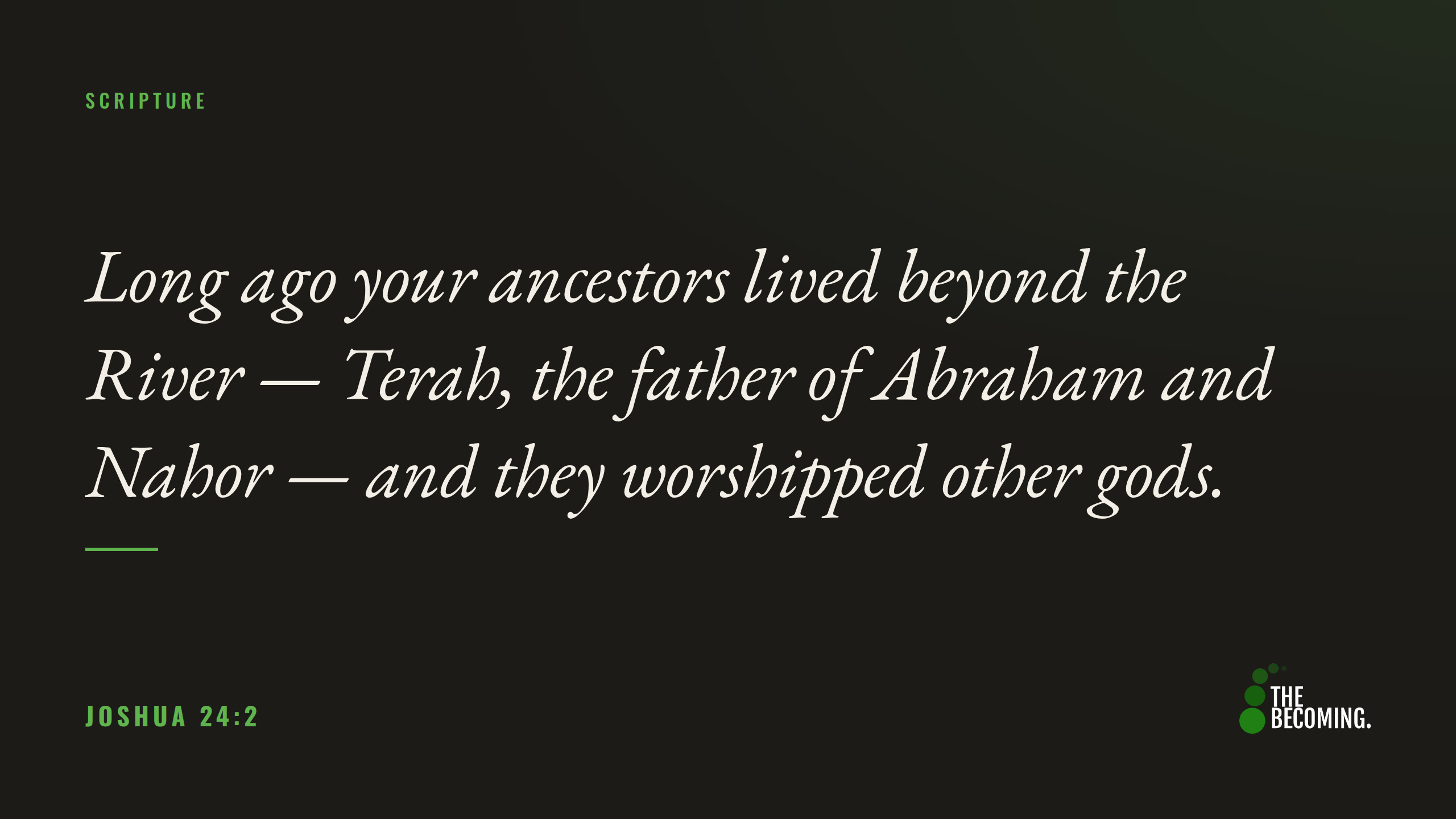
Disclaimer: Certain liberties have been taken for literary purposes. For example, Haran, the person, and Haran, the place, are not completely the same word in the Hebrew language; the similarity in the English language is just a translation coincidence.
Comments
BE THE FIRST TO COMMENT ON SUBSTACK ↗No comments yet — head over to Substack to start the conversation.
Comments live on Substack. Add yours there and it appears here on the next refresh.